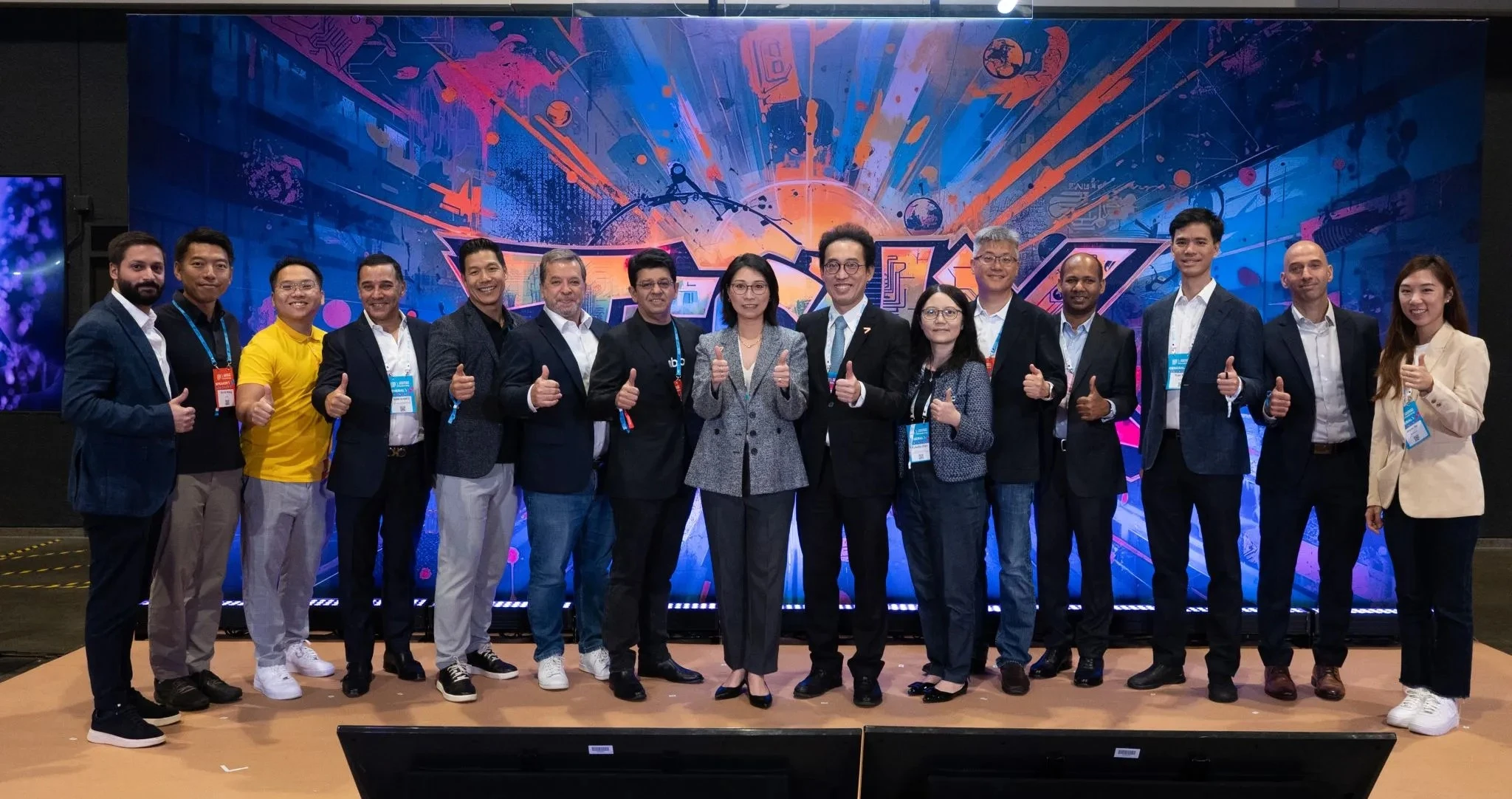
2025 marked a clear inflection point for Xeptagon. While previous years were focused on proving capability, this year was about operating at scale, delivering production-grade systems that are now live, trusted, and embedded within national, multilateral, and financial ecosystems.
Across climate finance, carbon markets, and digital public infrastructure, our focus remained consistent: building credible platforms that institutions can rely on, not pilots that stop at demonstrations.
Global recognition and ecosystem validation
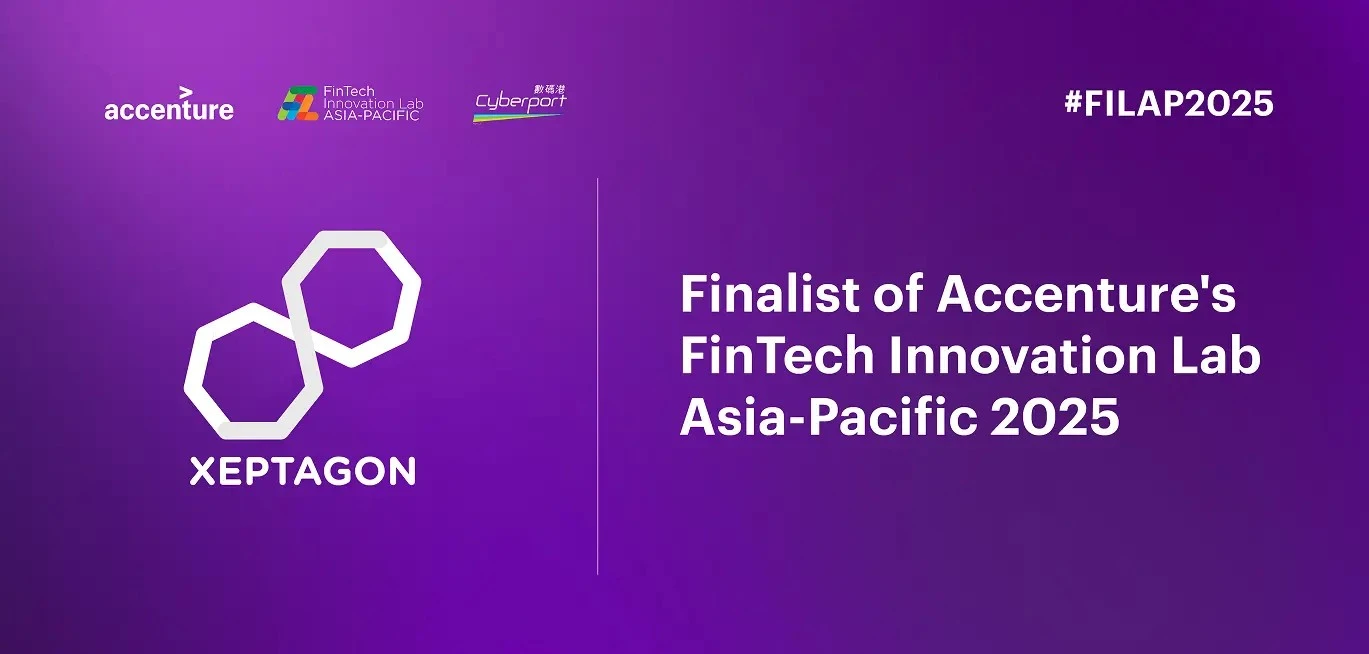
Early in the year, Xeptagon was selected for the Accenture FinTech Innovation Lab Asia Pacific (Accenture FILAP) 2025. The programme is highly selective, typically admitting a small cohort from hundreds of applicants globally. Alumni companies from previous cohorts have collectively raised billions of dollars in follow-on funding and include fintechs now working directly with tier-1 banks, regulators, and capital markets infrastructure.
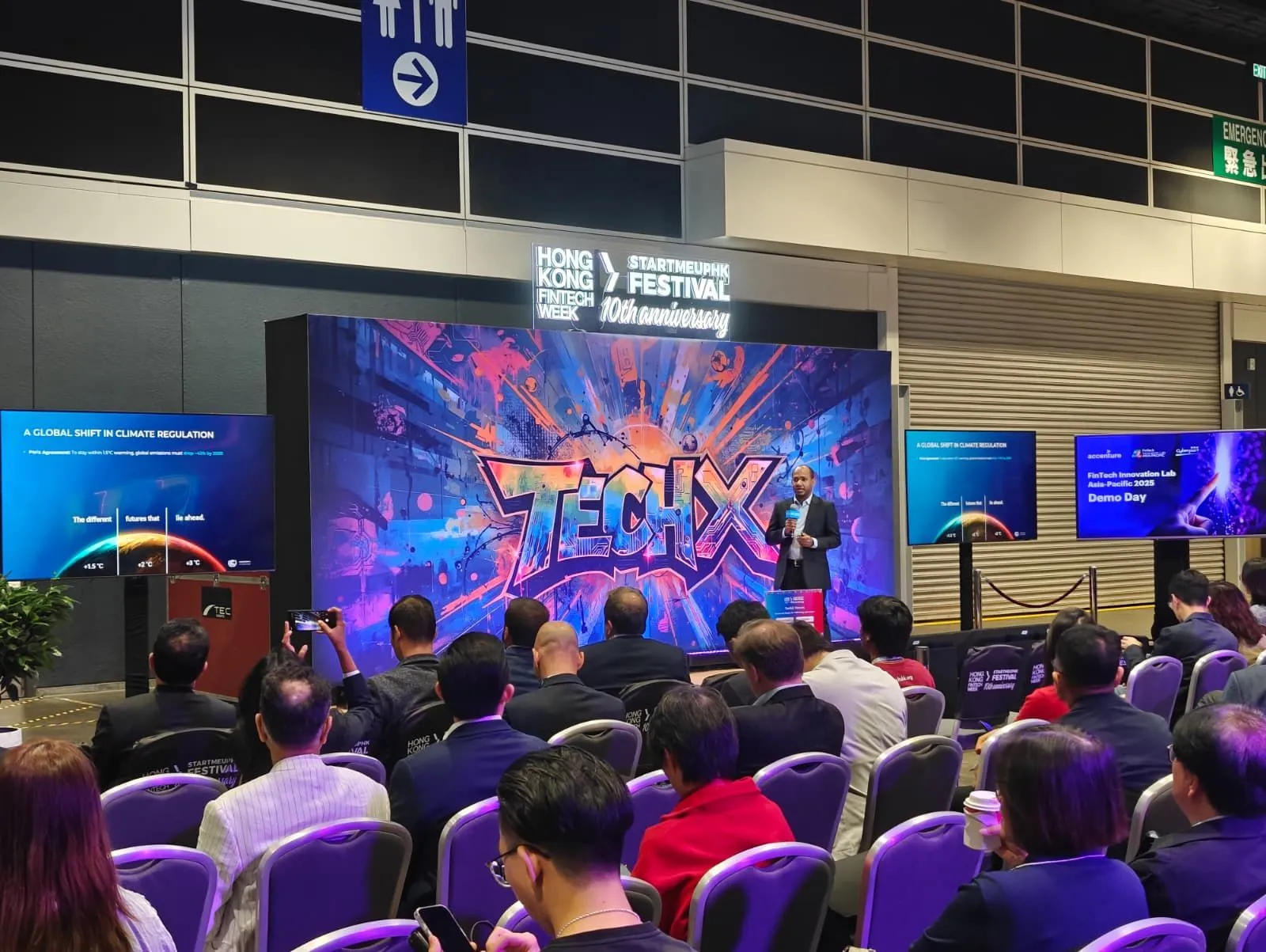
Accenture FinTech Innovation Lab Asia Pacific 2025
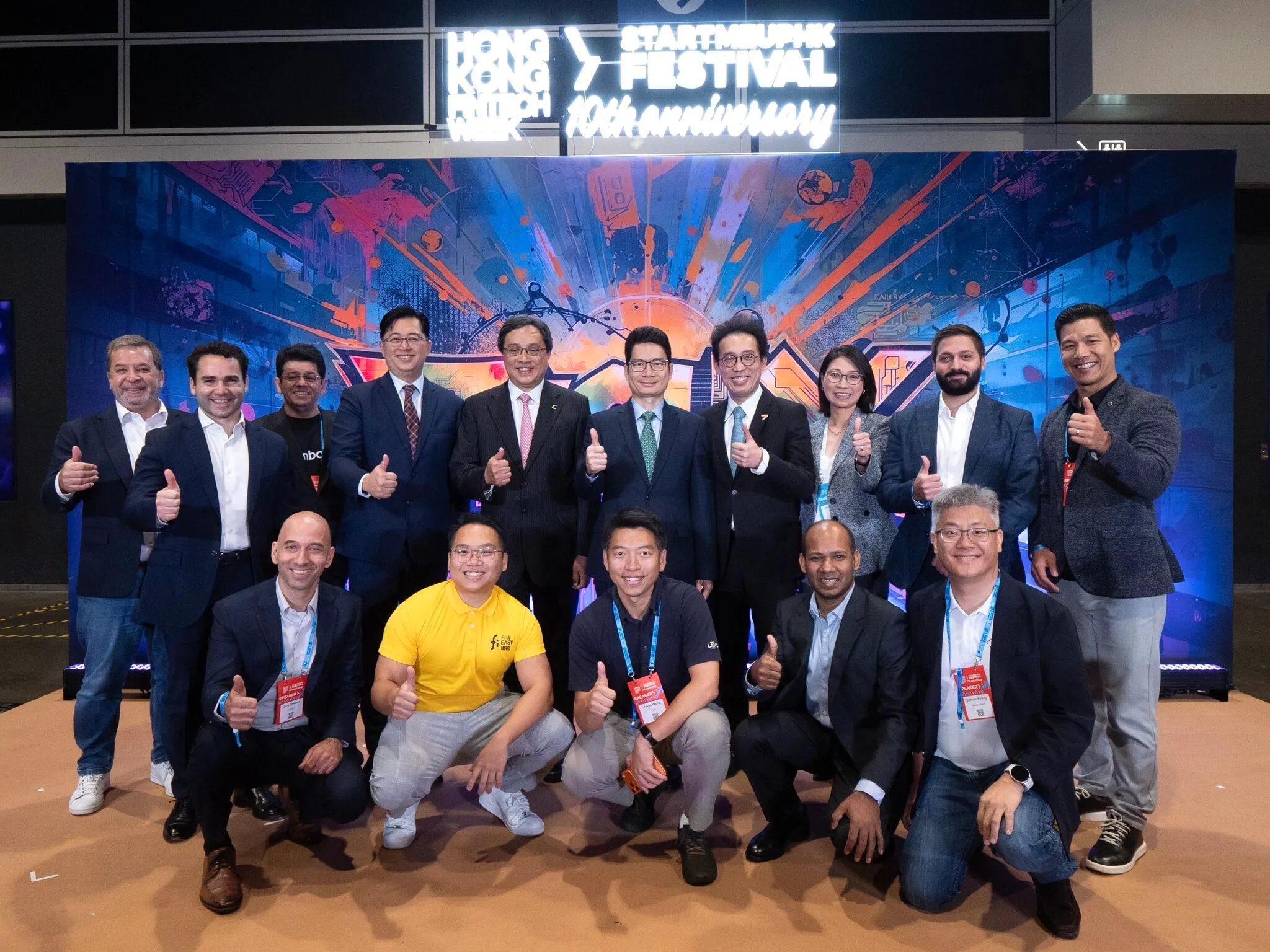

Xeptagon at FILAP 2025
For Xeptagon, the programme provided validation of our approach to institutional-grade climate and fintech systems, as well as direct engagement with global financial institutions and Accenture’s industry networks. HSBC was appointed as our mentor.
We were also recognised as a top 10 company globally in the Digital Public Infrastructure (DPI) Challenge , an initiative supported by organisations including Japan International Cooperation Agency (JICA), Boston Consulting Group (BCG), and other global development and policy partners. This recognition reinforced the relevance of our work at the intersection of public systems, transparency, and scalable digital architecture.
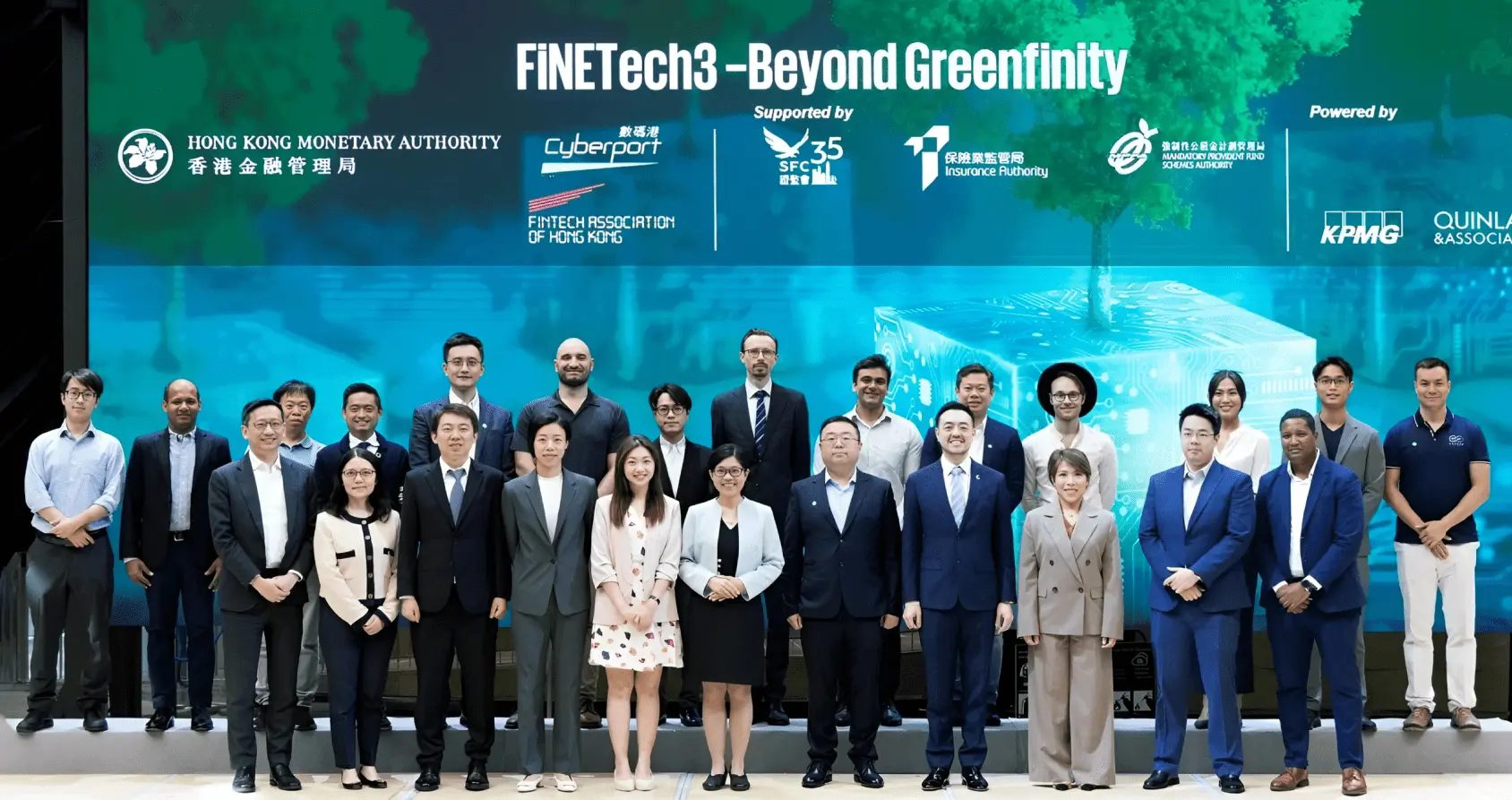
In Hong Kong, we were named a finalist in the Green FinTech Competition, with our solutions contributing to discussions shaping the territory’s national green fintech roadmap .
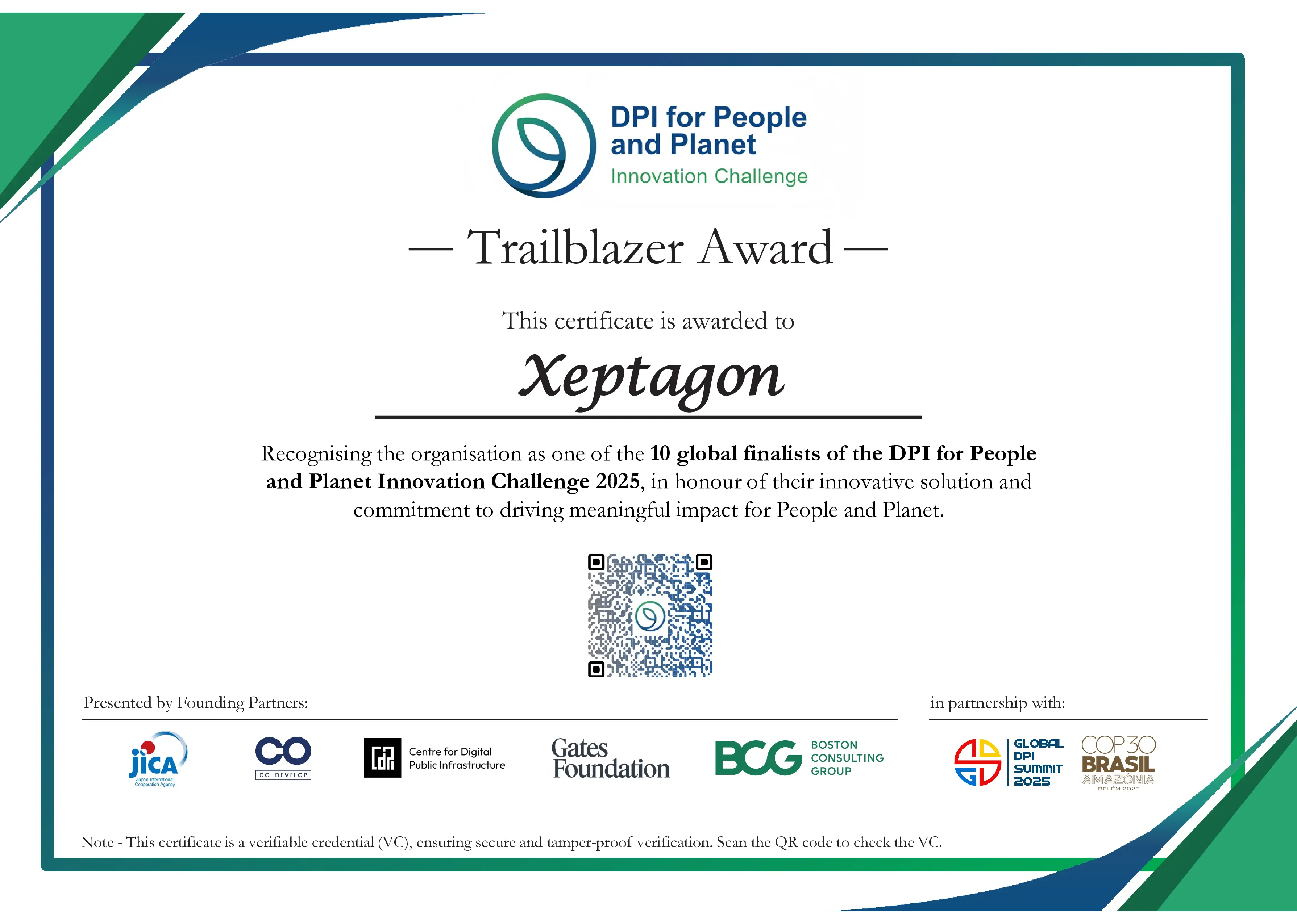
Cerificate of Recognition as one of the 10 global finalists of the DPI for People and Planet Innovation Challenge
Delivering mission-critical climate and public-sector systems
A major focus of 2025 was the delivery of platforms that sit at the core of public-sector and multilateral programmes.
We continued development and deployment of the UNDP Transparency System, supporting governments and development partners with improved visibility across climate finance flows, mitigation actions, and programme outcomes.
One of the year’s most significant milestones was the Central African Forest Initiative (CAFI) Payment for Ecosystem Services (PES) system, which went live and was showcased at COP in Brazil. CAFI is a multi-donor initiative supporting forest conservation across Central Africa, backed by donors including Norway, Germany, France, the United Kingdom, the European Union, and the World Bank, with funding commitments running into the billions of dollars. The PES platform enables performance-based payments linked to verified conservation outcomes, helping operationalise results-based climate finance at national scale.
We also delivered the UNDP Digital Rights Dashboard, providing country-level insights to support evidence-based policymaking around digital inclusion and rights.
Beyond these flagship systems, we worked on several other critical governance and public-interest platforms, including:
- Xeptagon developed an election finance and candidate management system for Honduras Government, supporting structured transparency and reporting for public programmes
- Systems for the Malawi Human Rights Commission (MHRC), strengthening institutional data management, reporting, and public accountability
- A Consumer Price Index (CPI) platform for Honduras, enabling more robust calculation, monitoring, and publication of official economic indicators
Across these projects, the common thread was trust, building systems that institutions can depend on for accuracy, auditability, and long-term operation.
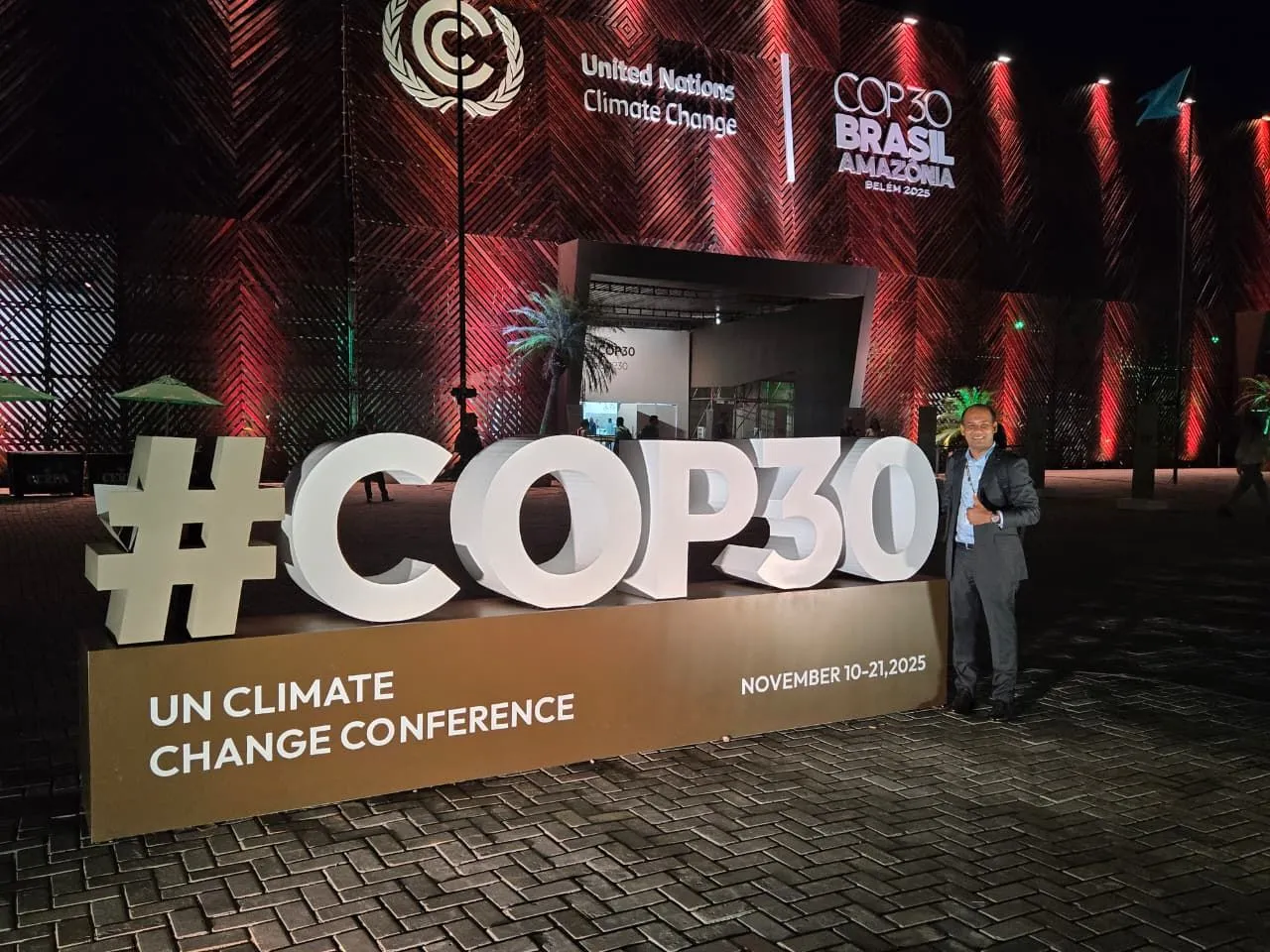
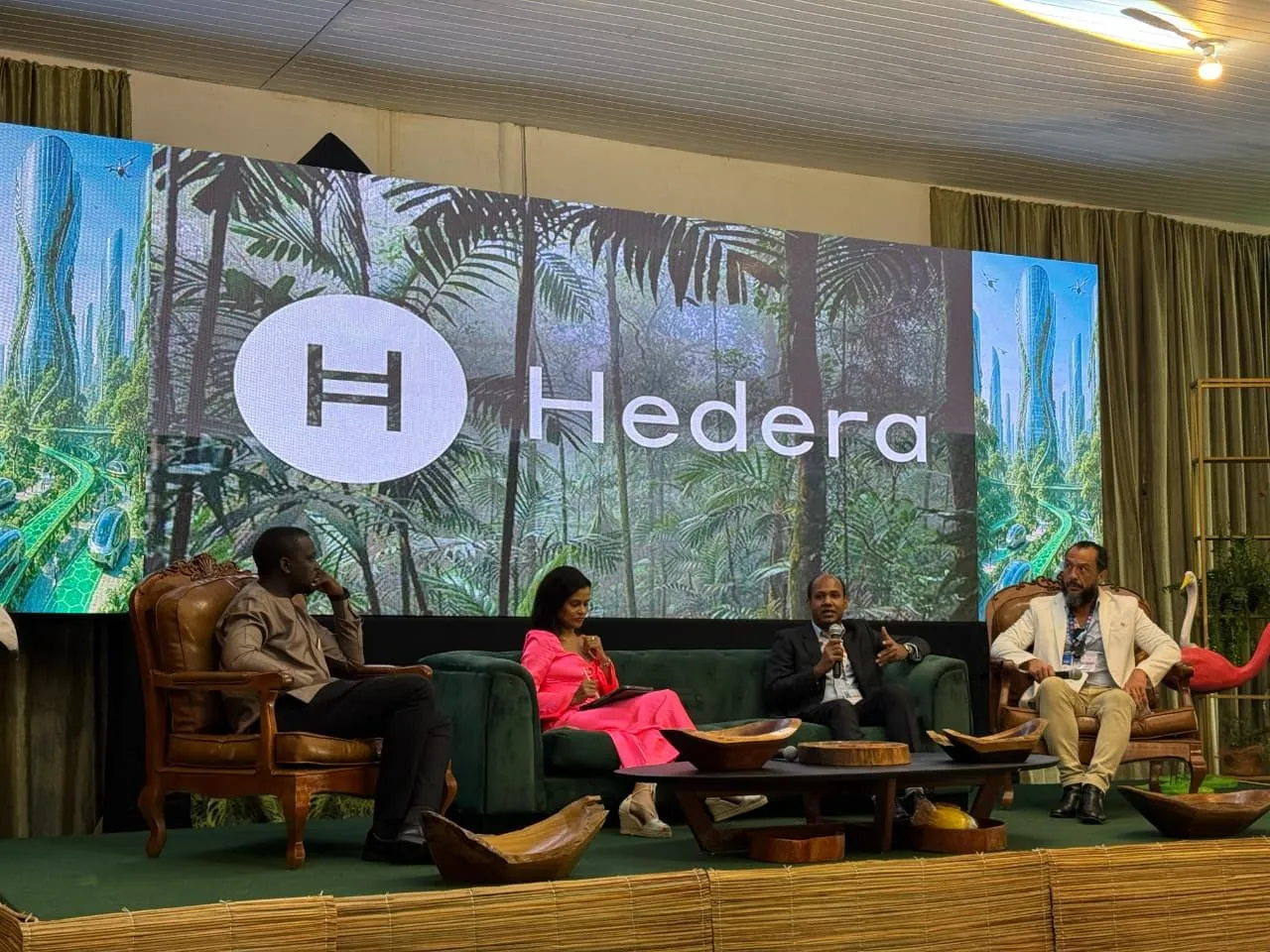
Xeptagon at COP30 Brazil
Strategic partnerships and real-world pilots
In 2025, we signed a formal MoU with Schneider Electric, a French Fortune 500 company and global leader in energy management and automation. This partnership strengthened our ability to integrate trusted emissions and energy data into climate, carbon, and supply-chain platforms.
Working jointly with Schneider Electric and Tessellation Group, we completed a pilot transaction, demonstrating how enterprise-grade emissions data, distributed ledger infrastructure, and market systems can operate together in real-world climate finance and supply-chain contexts.
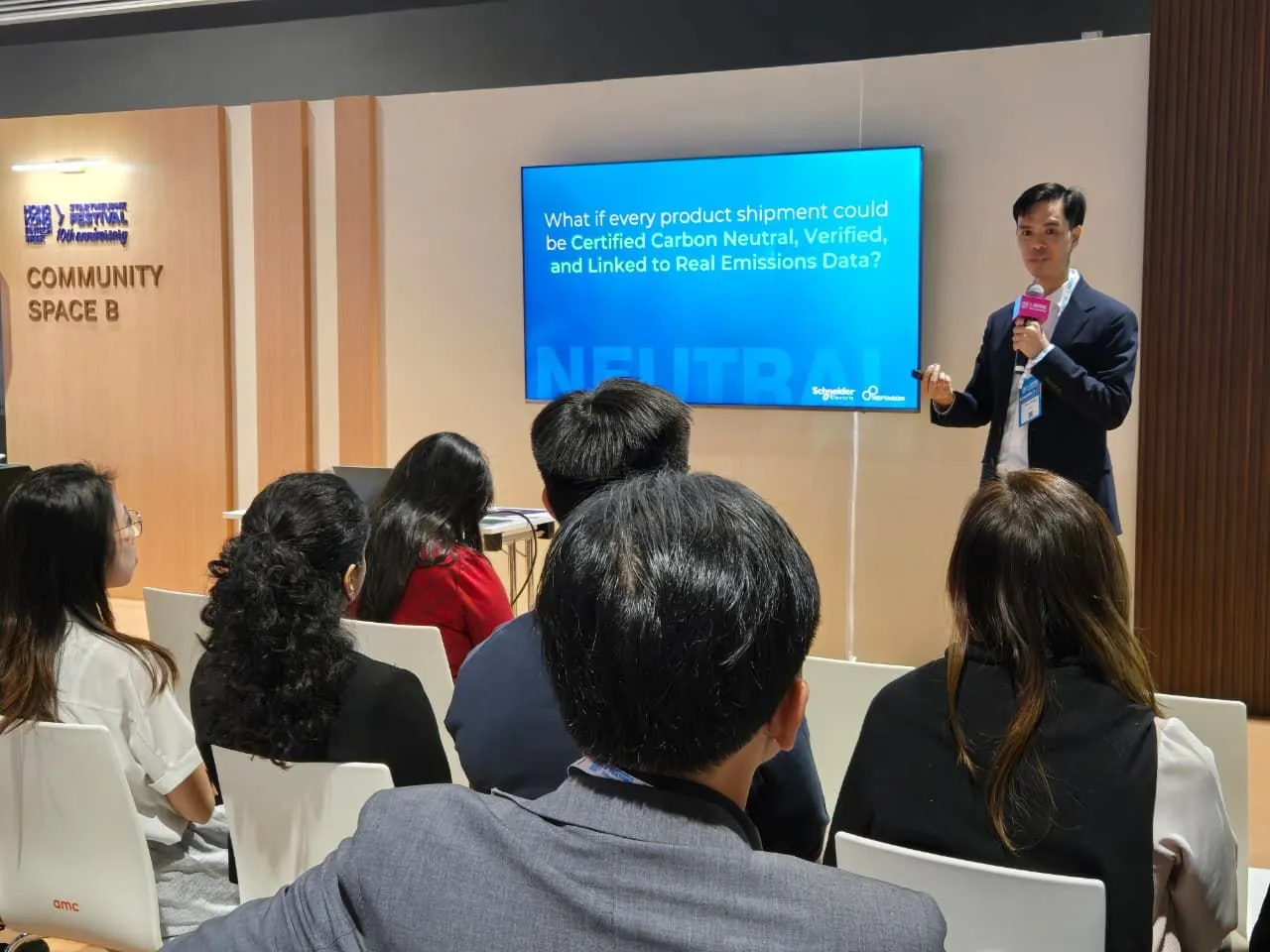
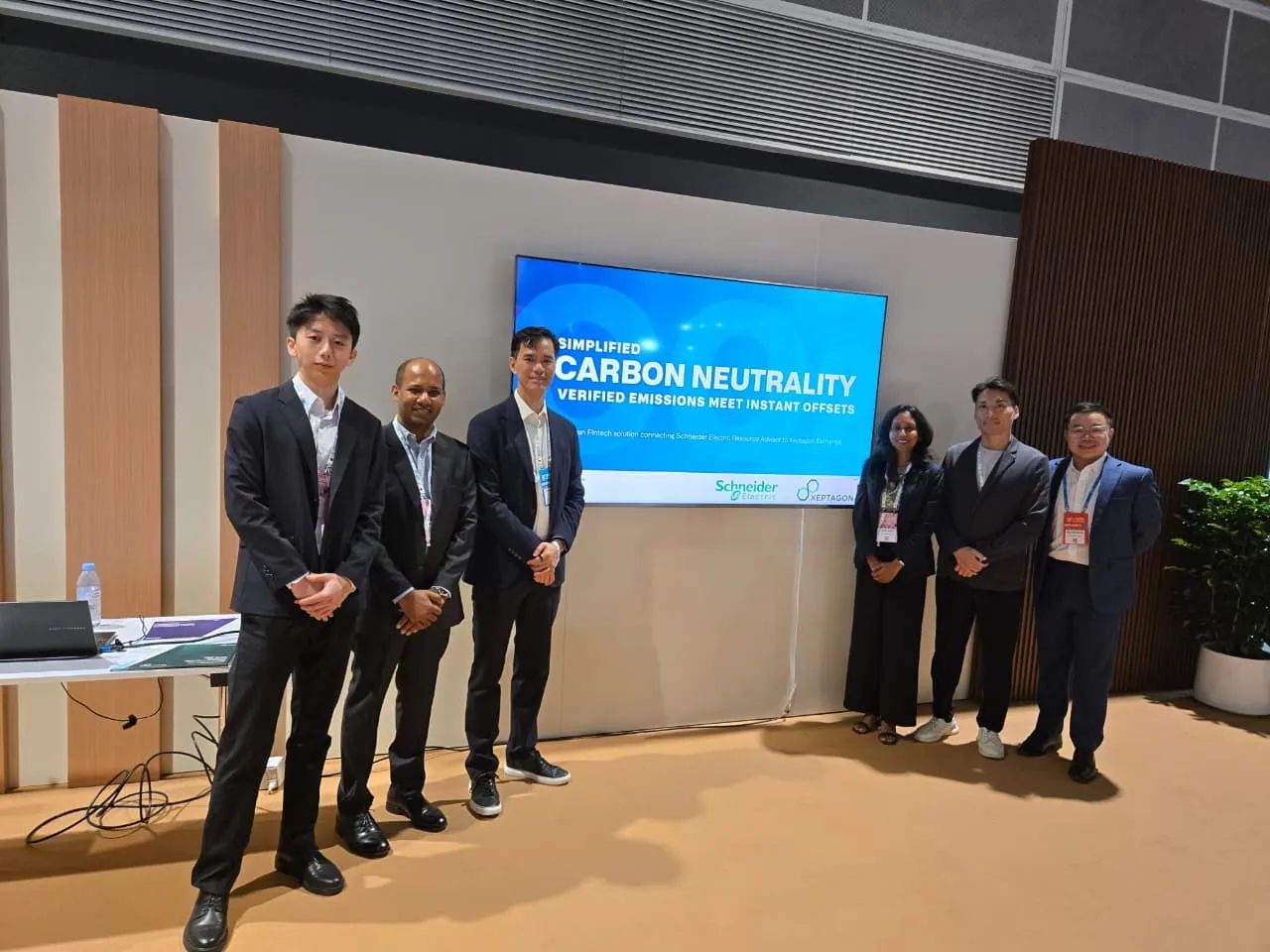
Xeptagon unveiled 'one-click' carbon neutralisation solution at Hong Kong Fintech Week 2025
We also continue to partner closely with EY, supporting the design and delivery of climate finance, registry, and transparency systems across multiple geographies.
Advancing blockchain-based transparency
Blockchain-based transparency remained a core focus area throughout the year. We completed the integration of Hedera Guardian into the UNDP DPG Registry, strengthening traceability, auditability, and interoperability for digital public goods and climate-related registries.
We also played an active role in ecosystem building, serving as platinum sponsor of the East Africa Carbon Market Dialogue, organised alongside Hedera. The dialogue brought together governments, developers, and market participants to discuss practical pathways for scaling carbon markets in the region.
Proof through pilots and programmes
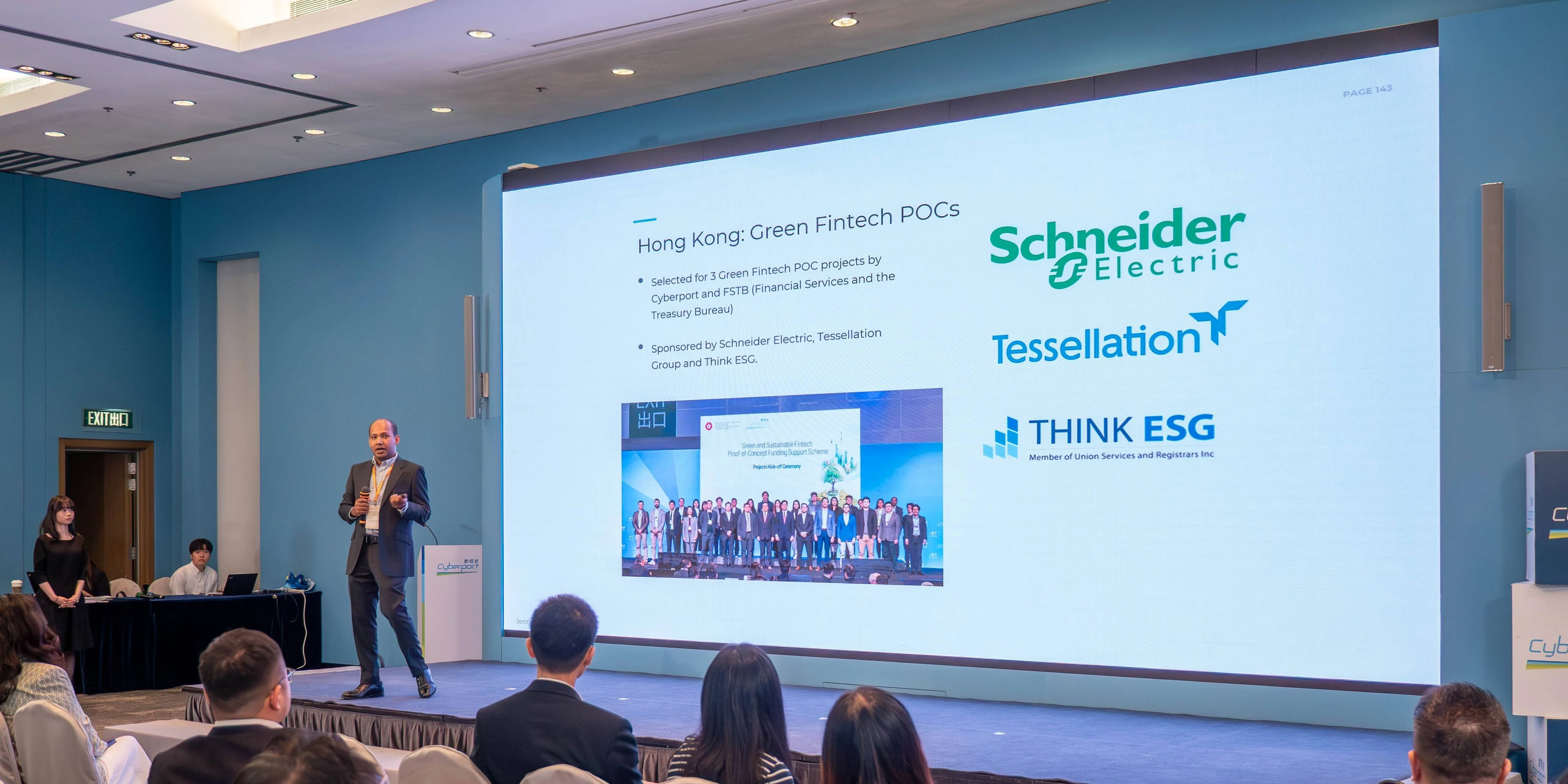
Another important milestone was the completion of three Proofs of Concept (POCs) supported by Cyberport and Hong Kong’s Financial Services and the Treasury Bureau (FSTB). These POCs covered carbon credit management, CBAM-compliant supply-chain transparency, and real-time carbon trading — each moving beyond concept into working, demonstrable systems.
We also presented our work to the Bank for International Settlements (BIS) at Cyberport and shared our platform approach at the AWS Executive Forum, engaging directly with senior financial, regulatory, and technology leaders.
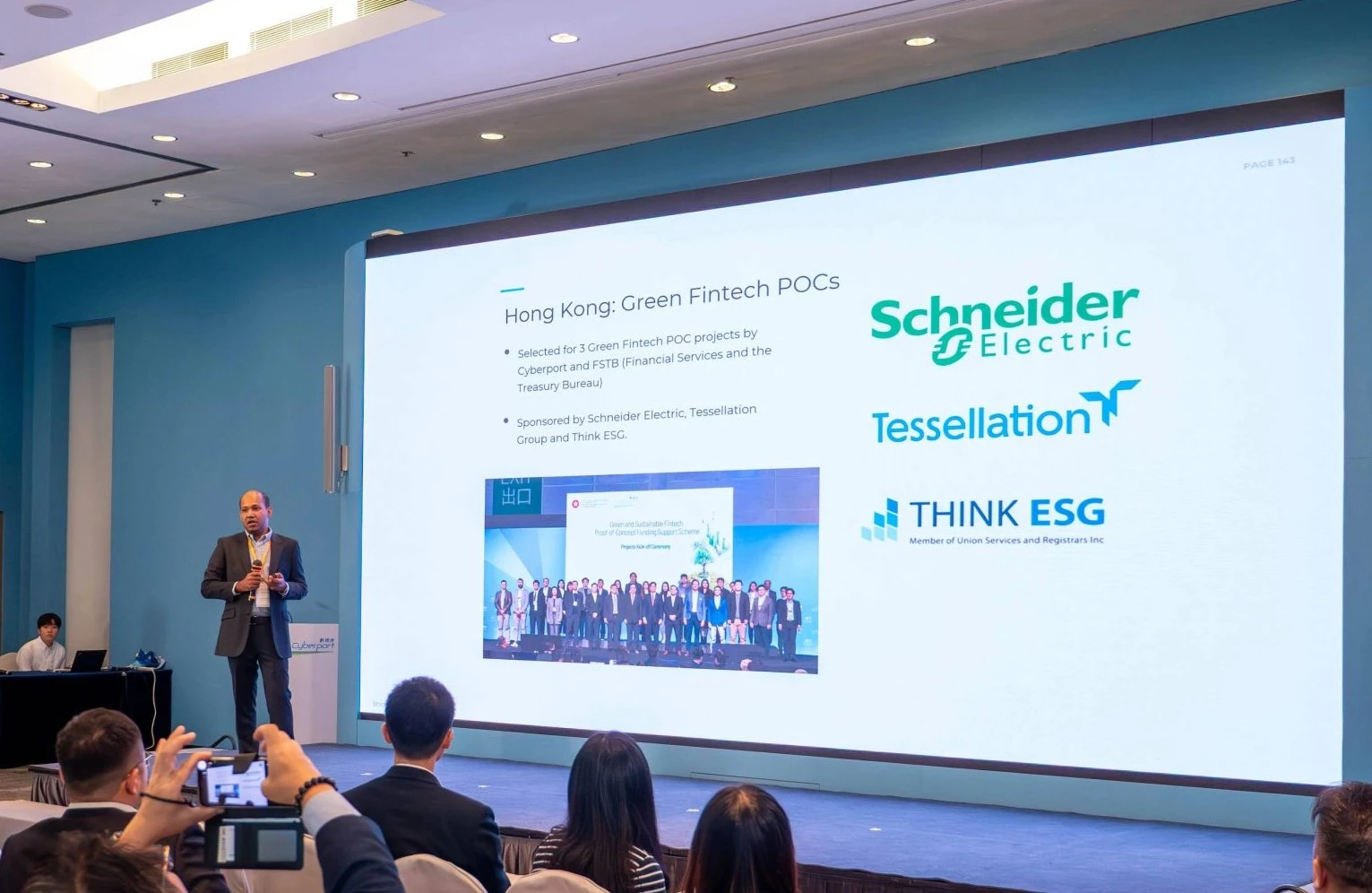
Xeptagon Presents to the Bank for International Settlements (BIS) at Cyberport
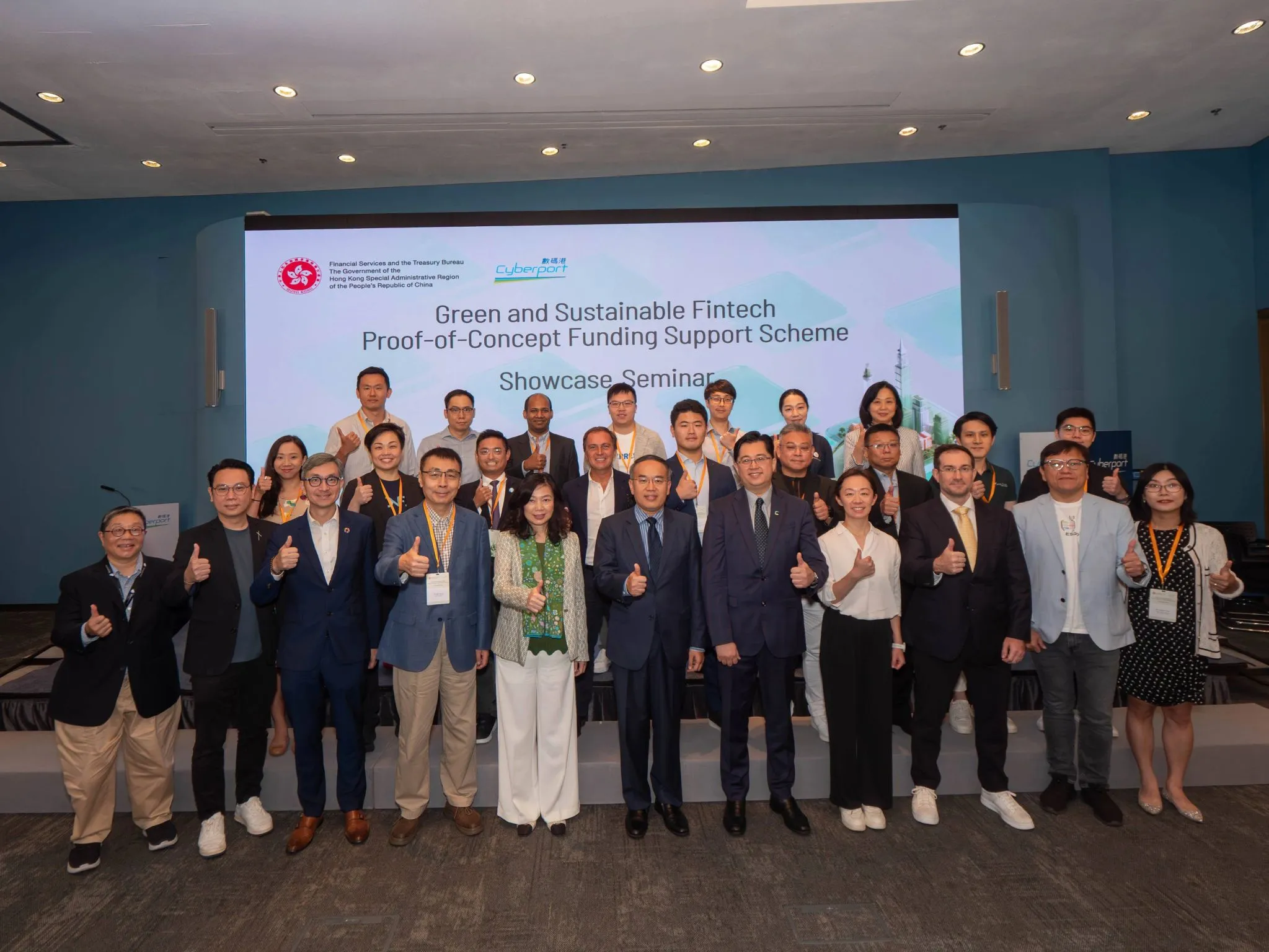
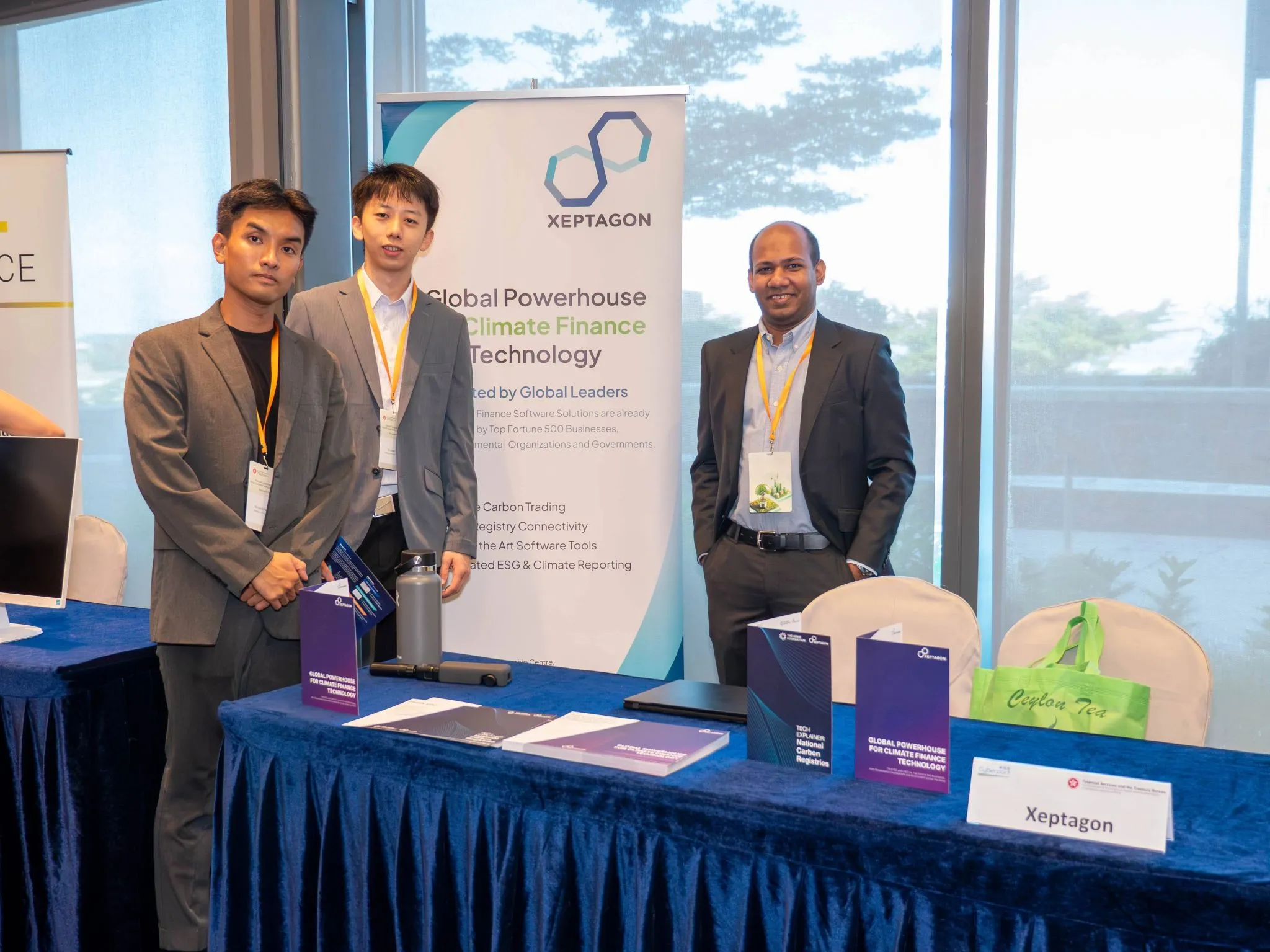
Xeptagon at Cyberport Hong Kong
Academic collaboration and talent development
Throughout the year, we deepened collaboration with academic institutions. This included work with the HKU LITE Lab on CBAM, as well as internship and capstone programmes with the National University of Computer Studies and HKU Business School. These engagements allow us to ground academic research in real production systems, while building future talent with hands-on exposure to global infrastructure projects.
Global engagement and events
In addition to Japan IT Week, Hong Kong FinTech Week (HKFTW) and the Asian Financial Forum (AFF), we also participated in RethinkHK, engaging with sustainability leaders, enterprises, and policymakers on climate, ESG, and digital infrastructure.
We were pleased to host visits and engagements from Japan International Cooperation Agency (JICA) and from International Partnerships in Digital Transformation (IPD), an initiative of the German Federal Ministry for Economic Cooperation and Development (BMZ). These interactions reflected growing international interest in practical, deployable digital public infrastructure for climate and development finance.
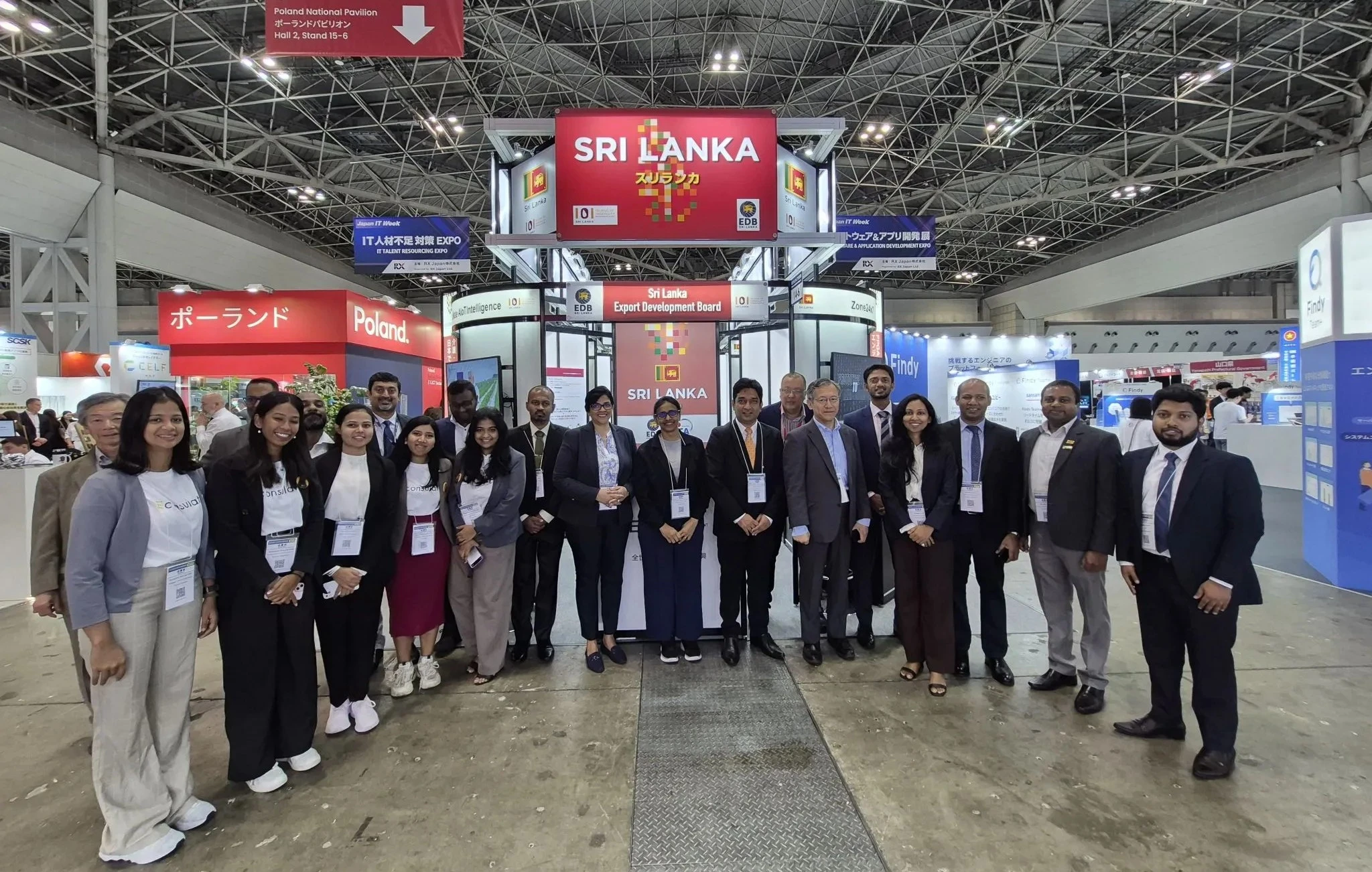
Xeptagon at Japan IT Week 2025
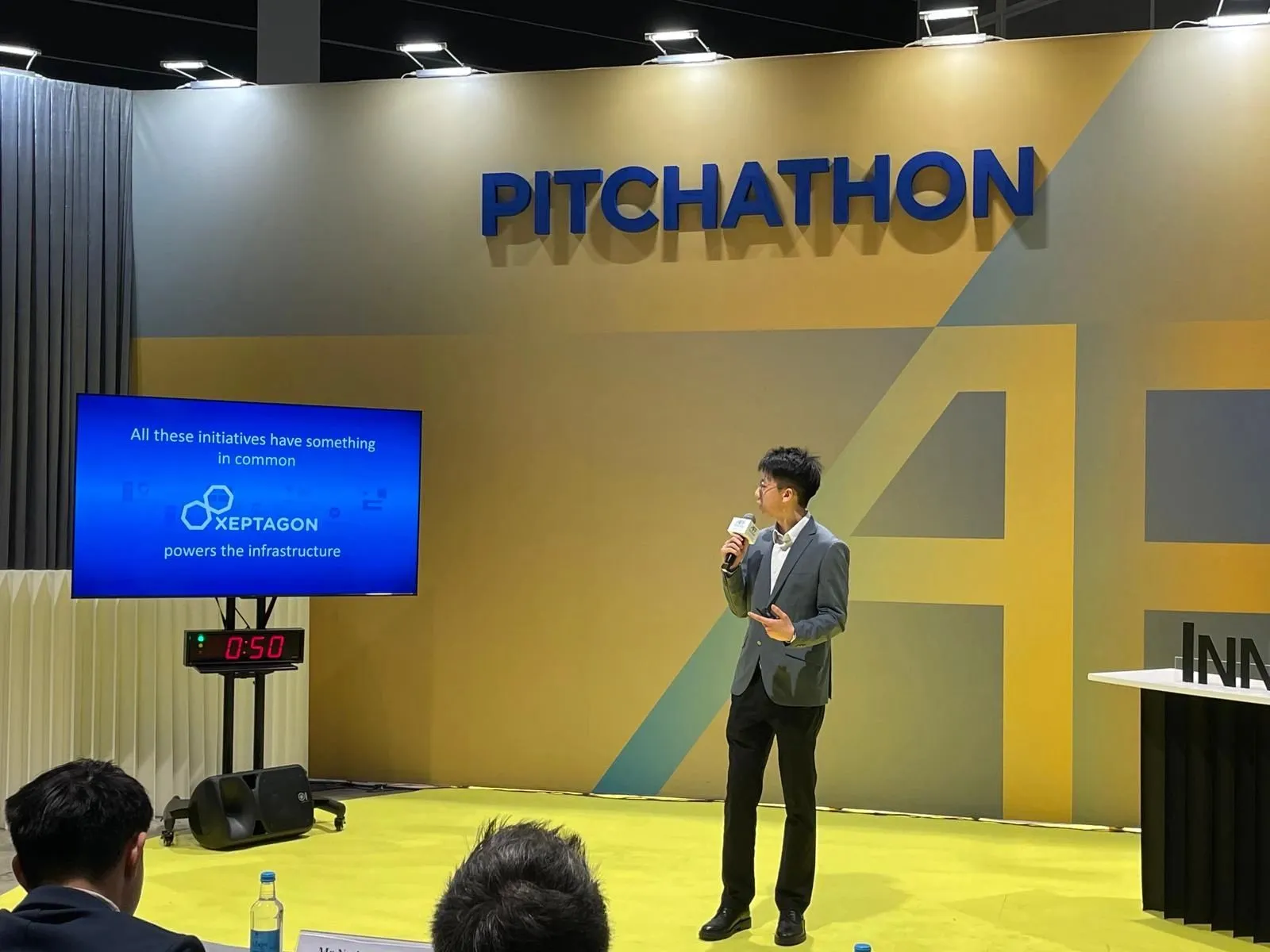
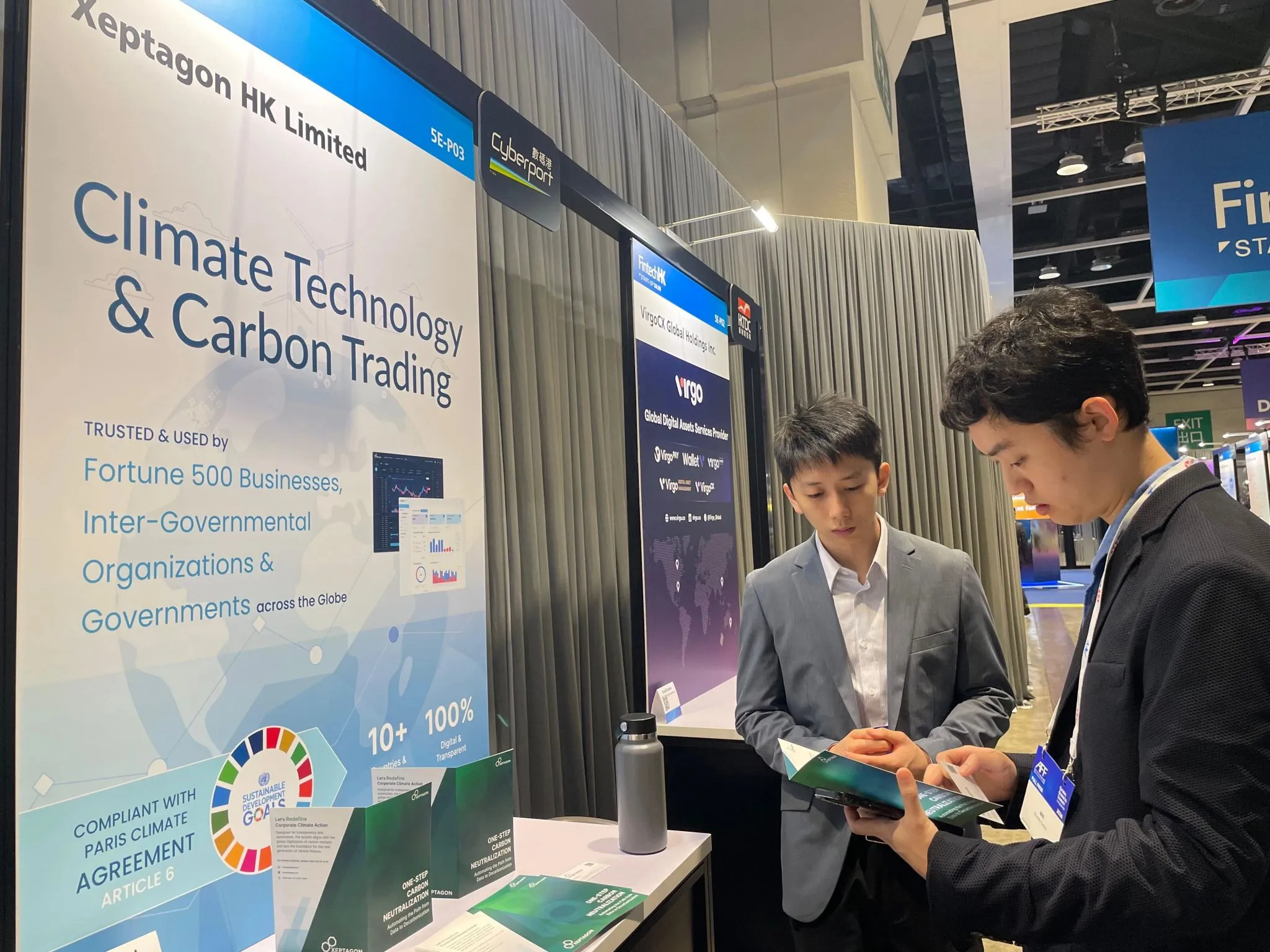
Xeptagon at Asia Financial Forum (AFF) 2025
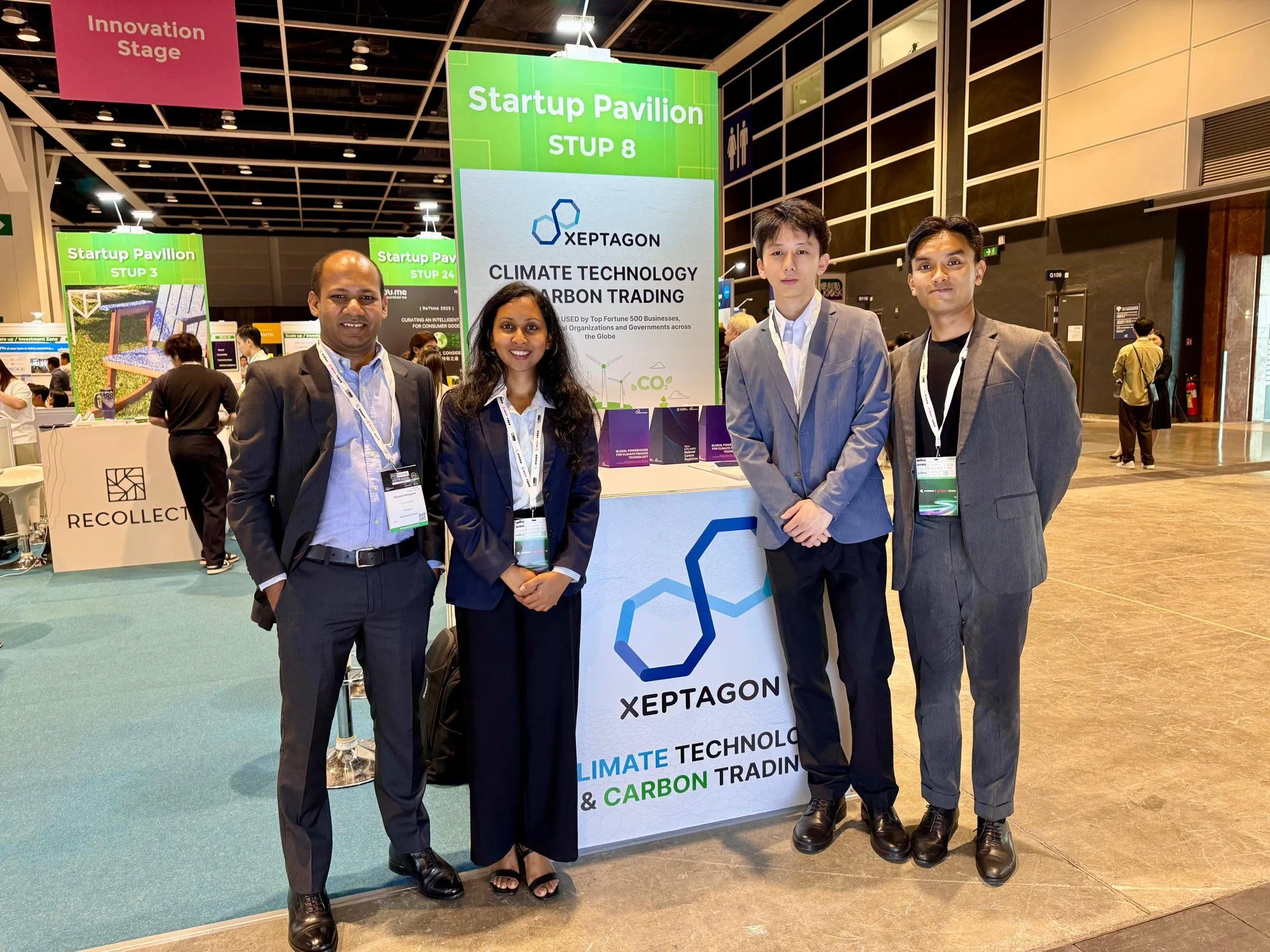
Xeptagon at RethinkHK 2025
Growing our footprint
To support a growing delivery pipeline, we opened a new office space in Colombo Port City and expanded our Hong Kong team, while continuing to operate across three offices globally. Our engineering teams, particularly in Colombo, remain central to delivering complex systems that operate at national and international scale.

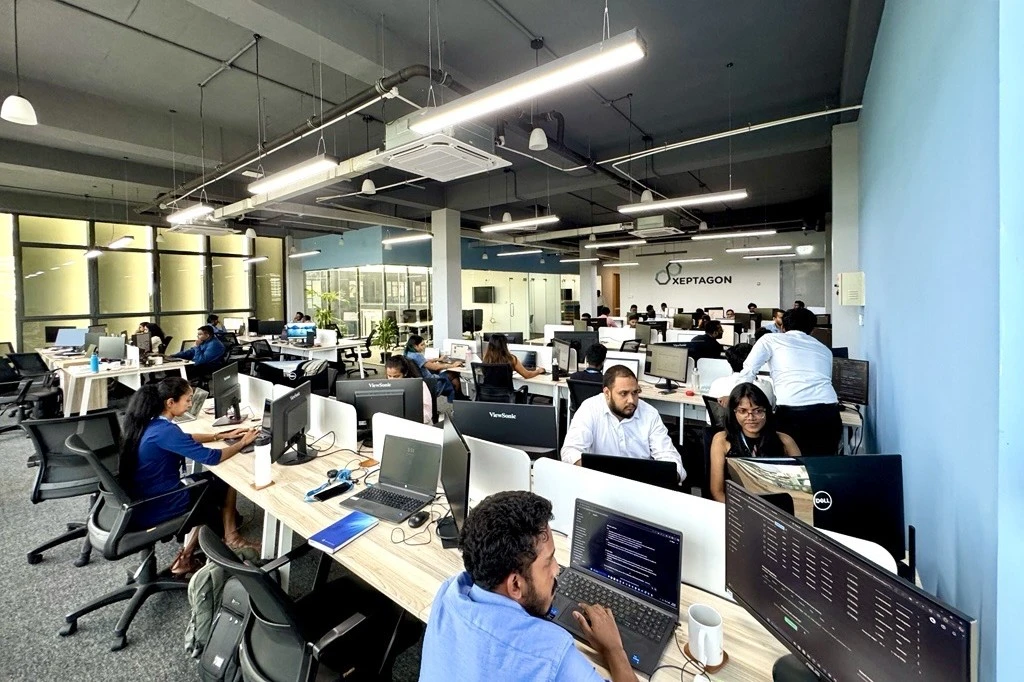
Xeptagon officially signed on for a new office space at the Port City Colombo
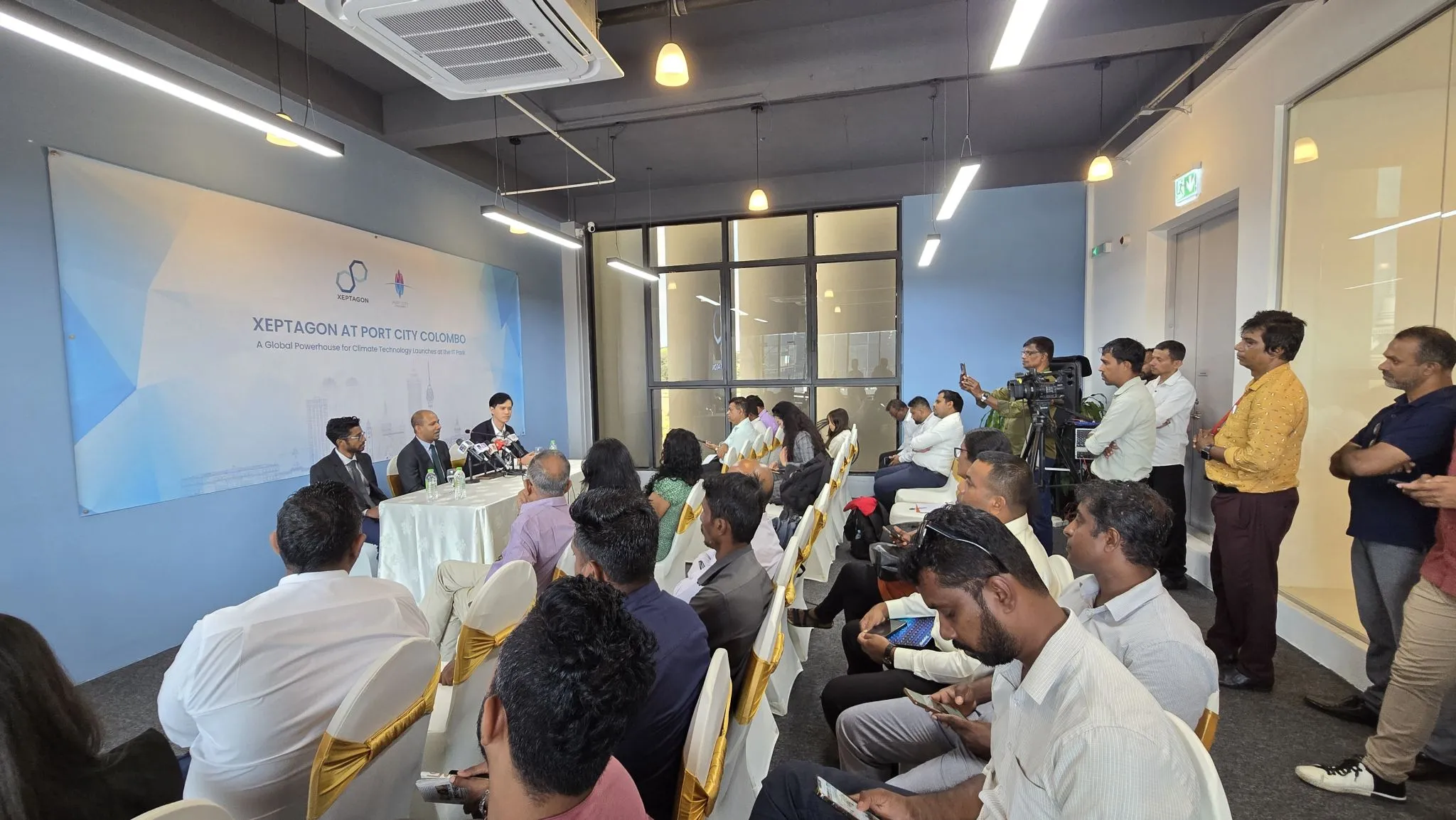
Xeptagon, together with Port City Colombo, hosted a press briefing to mark our expansion into the newly built Port City Colombo IT Park
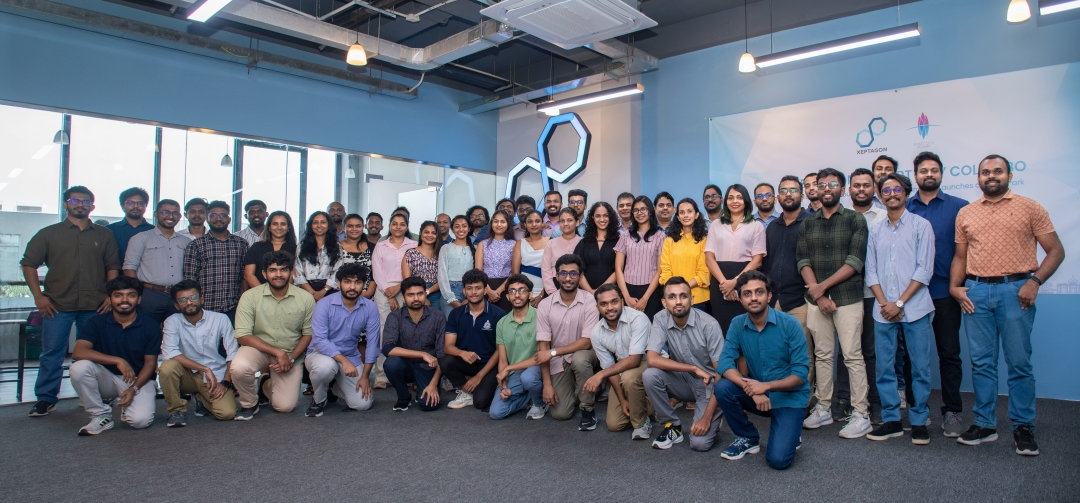
Xeptagon Team
Looking ahead
By the end of 2025, Xeptagon platforms were supporting millions of dollars in climate, carbon, and sustainable finance. With that scale comes responsibility — and we remain focused on building systems that are secure, transparent, and designed for long-term public value.
As we look ahead, our priority remains unchanged: to build trusted digital infrastructure that enables climate action, financial integrity, and institutional confidence at global scale.